Professional fitness instructors play a central role in assisting clients improve overall fitness, health, and overall well-being. Their responsibilities extend past designing workout programs and guiding exercise methods. Trainers frequently work closely with participants who have different medical backgrounds, fitness levels, and risk factors. Because exercise can place strain on the body, unexpected incidents such as acute injuries, fainting, or heart-related emergencies can happen without warning. For this cause, proper CPR and first aid training is a vital component of certified exercise coaching and supports a safer training setting.
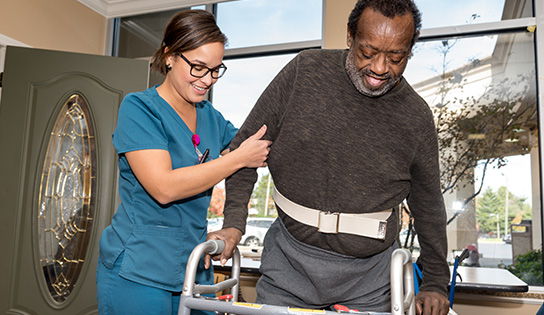
CPR and first aid training provide fitness professionals with the understanding and skills needed to respond quickly and effectively during emergencies. CPR methods are intended to support circulatory function and breathing during cardiac arrest until medical professionals take over. Basic medical training includes immediate response actions such as treating small injuries, handling muscle strains, recognizing signs of heat exhaustion, and reacting to airway blockages. These life-saving techniques help trainers to remain composed and ready when confronted with unplanned events in gyms, training facilities, or open exercise environments.
Enhanced client safety is one of the primary outcomes of proper emergency care instruction. When trainers are certified in emergency response, clients can remain more secure and protected web during training activities. This sense of safety supports confidence, which is important in the trainer-client relationship. Knowing that a trainer is qualified in life-saving care also encourages participants to challenge themselves responsibly, knowing that potential dangers are being controlled by a competent individual who knows injury prevention and immediate care.
From a professional standpoint, CPR and first aid certification also strengthen the credibility of fitness instructors. Many health clubs and training facilities require current certification as part of employment standards. Emergency preparedness demonstrates professionalism, accountability, and commitment to client well-being. Trainers who maintain these certifications prove that they value safety in addition to results and fitness progress. This can increase job prospects, industry image, and ongoing client retention.
Incorporating essential CPR and first aid training into the professional development of fitness professionals promotes safer fitness environments and better outcomes for participants. Emergency response knowledge complements exercise science, physical conditioning, and instructional techniques. By being prepared for health emergencies and physical harm, trainers contribute to higher standards of care within the fitness industry. Ultimately, empowering personal trainers with life-saving education results in improved participant protection and a more secure, responsible method discover this to physical fitness.