Brain adaptability, commonly defined as the brain’s capacity to adapt its structure and function in response to experience, learning, or injury, serves as a fundamental concept in modern clinical science. For many years, scientists assumed that the human brain stopped developing after early development. However, ongoing research has confirmed that the brain retains the ability to create new synaptic connections throughout life. This dynamic capacity allows the nervous system to restructure itself after damage caused by cerebrovascular events, traumatic brain injury, or chronic neurological conditions. Recognizing neuroplasticity has become a central focus in clinical rehabilitation because it provides a evidence-based foundation for functional restoration and observable progress.
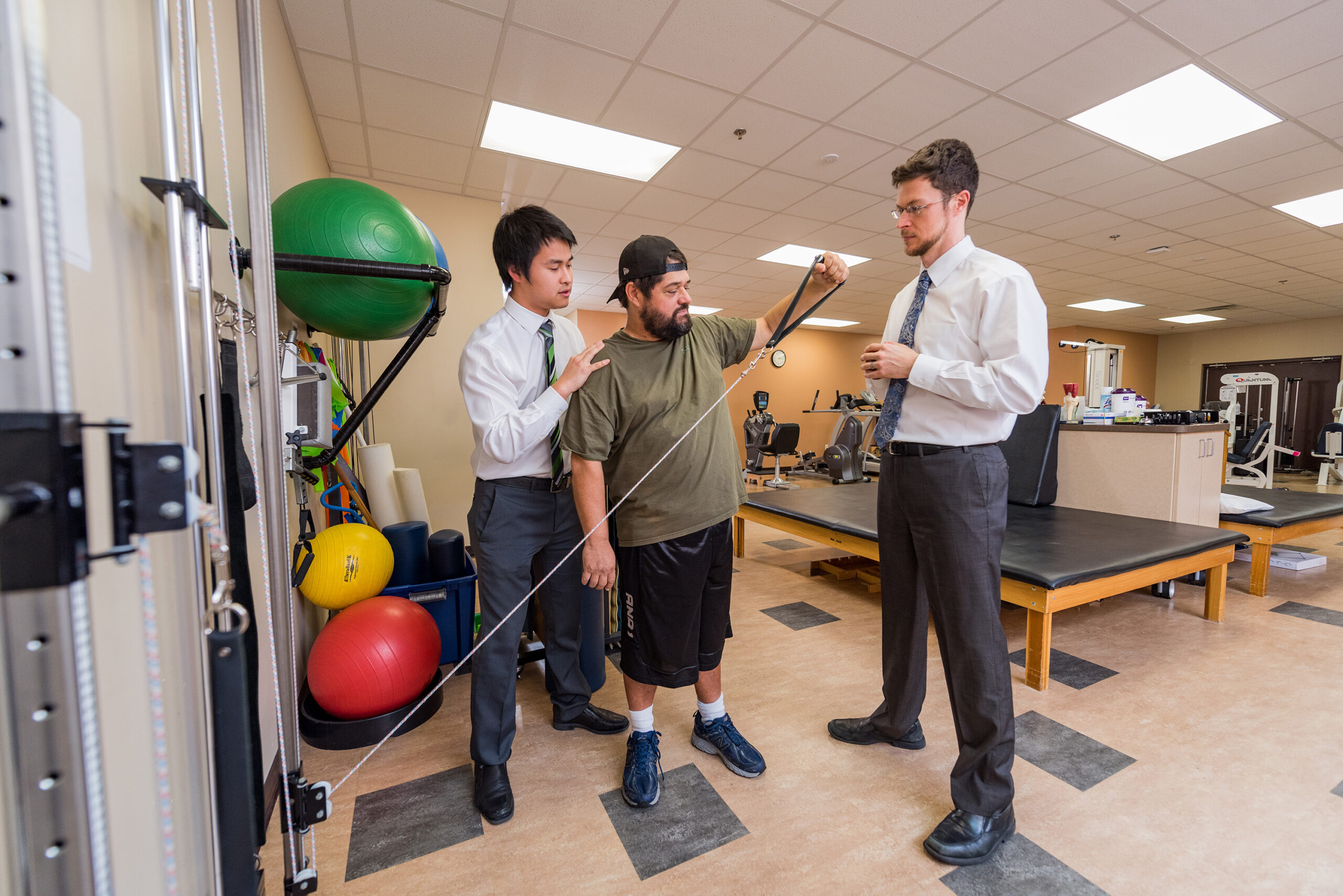
When an insult affects the central nervous system or neural structures, certain neural connections may be disrupted or lost. Through targeted intervention and consistent training, alternative synaptic connections can develop to offset damaged areas. This mechanism is known as cortical remapping. Rehabilitation specialists use research-supported interventions such as physiotherapy, occupational therapy, and communication therapy to activate this adaptive process. Structured repetition, goal-directed exercises, and motor learning principles are essential elements that promote the development of stronger brain pathways. Over time, consistent therapeutic exercises can enhance motor skills, cognitive function, balance, motor More Info coordination, and speech function.
The concept of neural flexibility also plays an important role in cognitive rehabilitation. Individuals healing after conditions such as brain injury or traumatic brain injury may experience difficulties with recall, attention, and executive functioning. Structured mental exercises are designed to strengthen higher-level thinking skills and cognitive processing through guided mental exercises. Activities that involve focus regulation, memory exercises, and analytical techniques help engage underused areas of the brain. As these neural circuits are consistently stimulated, they become increasingly responsive, supporting gradual improvement in daily functioning and self-sufficiency.
In addition to conventional therapies, innovative technologies are expanding the implementation of brain adaptability strategies in rehabilitation settings. Virtual reality systems, robot-supported rehabilitation, and neuromodulation techniques such as targeted magnetic stimulation are being integrated into treatment plans. These specialized tools provide controlled, quantifiable, and engaging ways to deliver repetitive training. For example, robotic devices can guide limb movement to reinforce correct movement patterns, while simulated settings simulate muscle strain healing processes functional tasks that support functional recovery. Such technologies increase participant engagement and provide real-time feedback, which further supports adaptive change.
The growing understanding of brain adaptability has reshaped how healthcare professionals manage rehabilitation. Rather than focusing only on adjusting to functional deficits, rehabilitation now emphasizes restoring function through active engagement and purposeful practice. Early intervention, personalized care strategies, and active involvement are critical components in supporting successful results. By leveraging the principles of brain plasticity, clinicians can develop therapeutic programs that are based on clinical evidence and supported by documented outcomes. This shift in clinical approach offers renewed hope for individuals facing neurological challenges and highlights the brain’s proven ability for functional change and recovery.